 Thomas Pemberton
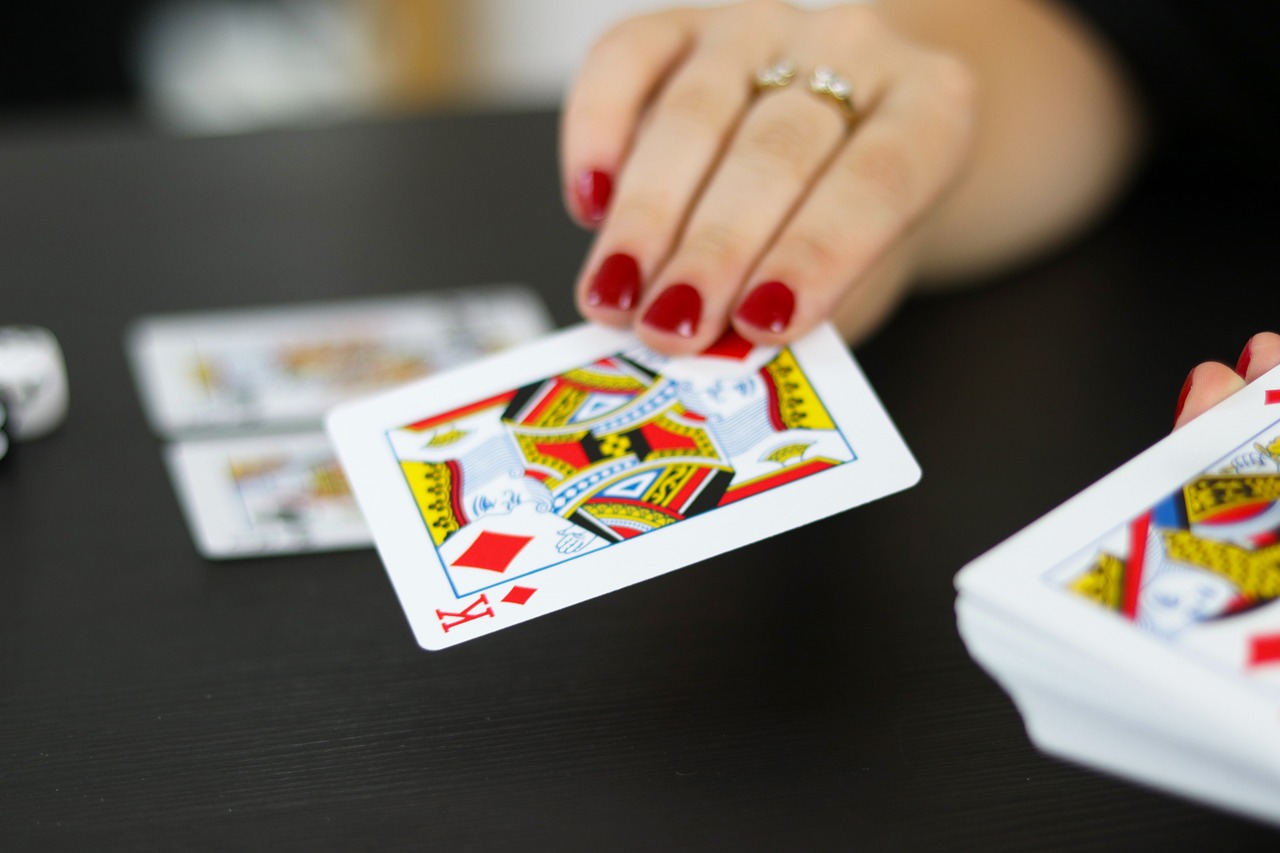
Poker looks like a game of cards. Watch a high-stakes table for twenty minutes and you'll realize it's a game of incomplete information played against people who are actively trying to deceive you. That's why the same player can win a tournament on Tuesday and bust out in the first level on Thursday. Skill doesn't vanish overnight. Variance is real, and the players who survive it long-term aren't the ones with the best hand—they're the ones making the best decisions with the worst ones.
The Science of Reading the Board
If you're still playing your two hole cards and ignoring the board texture, you're losing money to players who understand probability. Board texture is the story the community cards tell. A flop of K-7-2 rainbow is dry—few draws, fewer reasons for anyone to bluff. A flop of 9-8-6 with two hearts is soaked in danger, and anyone holding a pair is suddenly sweating a straight or a flush.
Here's a concrete example. You raise with pocket queens from middle position. The big blind calls. The flop comes 9-8-6. Your opponent checks, you bet, they check-raise. Most recreational players see queens and think about loyalty. Experienced players see a board that connects with an enormous range of hands—suited connectors, small pairs, combo draws. The check-raise isn't random noise. It's a story, and it usually says your overpair is behind, or drawing thin.
- Dry boards: c-bet often, small, with your entire range.
- Wet boards: bet bigger when you have equity, check more when you don't.
- Paired boards: value-bet cautiously; trips are rarer than bluffs.
- Monotone boards: unless you hold the ace of that suit, tread lightly.
Bankroll Management Is a Strategy, Not a Suggestion
You can have a perfect read on your opponent and still go broke because you sat at the wrong table with the wrong bankroll. The classic rule—100 buy-ins for cash games, 100 tournaments for MTTs—exists because variance is not a polite collaborator. It's a hammer.
Consider a real scenario. A player earns a $2,000 monthly bankroll and decides to play $2/$5 no-limit. That's a $500 buy-in, or 25% of their roll, per session. Two coolers in a row and they're questioning every decision they've ever made. Push that same money to $0.50/$1, and a $100 buy-in represents 5% of the roll. Losing sessions become recoverable. Variance stops being existential. Take a look at สล็อต for a fuller picture.
The rule isn't about fear. It's about longevity. The best players in the world are the ones who are still playing in five years, not the ones who temporarily look brilliant in a heater.
Betting Lines and Slots Aren't as Different as Purists Claim
Here's where the casino and poker worlds collide. In betting markets, the line moves because information flows. When sharp money hits an NBA line, bookmakers adjust within minutes. In poker, the line is your bet sizing, and it moves based on the story you're telling. Master the flow of information and you'll find cross-over skills in every corner of iGaming.
Slots operate differently—there's no opponent reading your play—but the analytical discipline still applies. Return to player (RTP) percentages, volatility ratings, and hit frequency give you concrete numbers instead of hunches. A 96.5% RTP slot with high volatility absorbs $1,000 before a return that feels worth the wait. A 94% RTP slot with low volatility drips it back in small chunks. Neither is "better." They're different tools for different bankrolls and risk appetites. The same patience that keeps a poker player disciplined keeps a slots player from chasing losses at 3 AM.
Why Tilt Is the Most Expensive Emotion in the Game
Tilt costs more money than bad luck ever will. It's that impulse to play every hand after a bad beat, to move up stakes after a losing session, to chase the money you think you're owed. It's a cognitive tax, and good players pay less of it because they've built systems to recognize and interrupt it.
- Set a hard stop-loss before you sit down—usually three buy-ins in cash games.
- Take a fifteen-minute break every ninety minutes. Hydrate. Move.
- Review hand histories after, not during. Anger clouds real analysis.
- Track your session results in a spreadsheet. Patterns replace feelings.
Here's a subtle truth: profitable players aren't emotionless. They just refuse to let emotion make decisions. That distinction is the entire ballgame.
The Professional Approach to iGaming Selection
The modern iGaming player—whether in poker, sports betting, or slots—needs a framework for choosing where to play. Not all platforms are created equal, and the differences matter more than most people admit. Vetting a platform should involve more than a flashy welcome bonus or a $20 free spin teaser.
- Licensing and regulation: An MGA, UKGC, or comparable regulator isn't a gold star—it's a baseline. Players without a license have no recourse.
- Withdrawal speed and limits: A casino that approves deposits in seconds but takes seven days to process a withdrawal has told you everything you need to know.
- Rake structure in poker: A 5% rake with a cap is competitive; a 10% uncapped rake is a slow bleed players underestimate.
- Bonus terms: A 40x wagering requirement on a 100% match bonus is essentially a subscription to further depositing, not a gift.
Serious players treat this vetting process the same way they treat hand selection at a table. Choose the wrong game and no amount of skill will save you.
Conclusion: It's All One Skill Set
Poker, slots, sports betting—the surface details differ wildly. The underlying discipline is identical. Understand the math, control your exposure, read the situation, and refuse to let one bad result shape the next decision. Whether you're facing a 3-bet on the river or deciding between a high-volatility slot and a low-variance punt, you're answering the same question: does this decision still make sense given everything I know?
The players who last don't always have the flashiest stories. They just keep making boring, correct decisions until everyone else at the table has stopped making any.


